Virtual reality (VR) is opening up to an impressive range of applications, transcending the traditional boundaries of its use. Initially associated with entertainment, particularly video games, its scope has expanded considerably. Today, VR is used in education, offering a deep sense of immersion that facilitates learning and information retention.
In the healthcare sector, it enables realistic surgical simulations, contributing to medical training. Companies use VR for product design and employee training, making processes more efficient and interactive. In fact, virtual reality is a technology that promises to revolutionize many fields by enhancing the human experience and opening up new avenues for innovation and learning.
Virtual reality: a powerful training tool
Let’s start by exploring the world of training. Virtual reality headsets bring a whole new dimension to learning by offering total immersion in an environment specifically designed to meet specific needs. This technology is used to support learning in many fields, such as medicine, aviation, and architecture. The real and the virtual worlds blend together to offer users a unique experience.
In medicine, for example, future surgeons can practice on virtual bodies before operating on real patients. In aviation, pilots can practice flying in various weather conditions without ever leaving the ground. Architects, for their part, can walk through the buildings they have designed even before construction begins.
Virtual Reality for Video Games
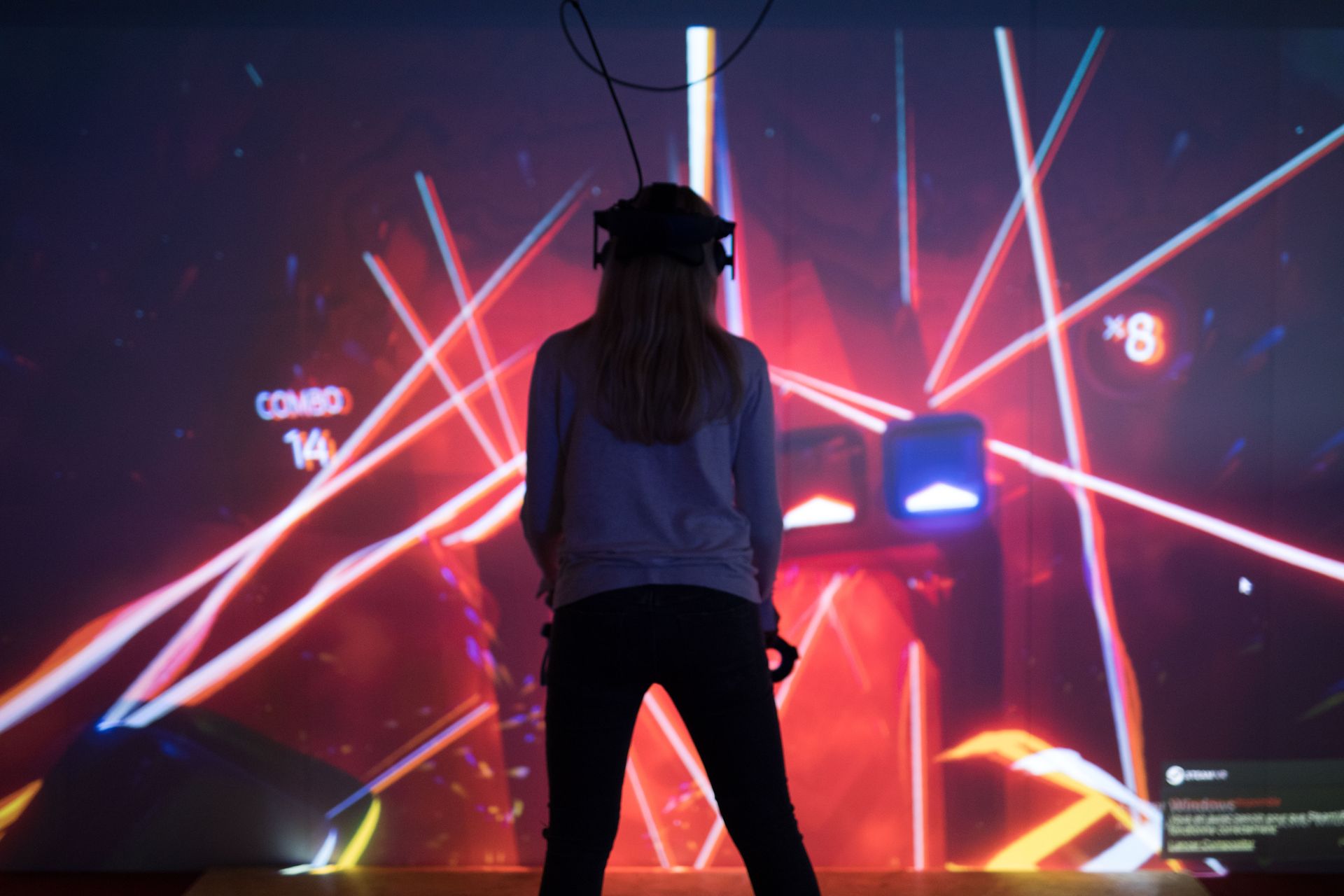
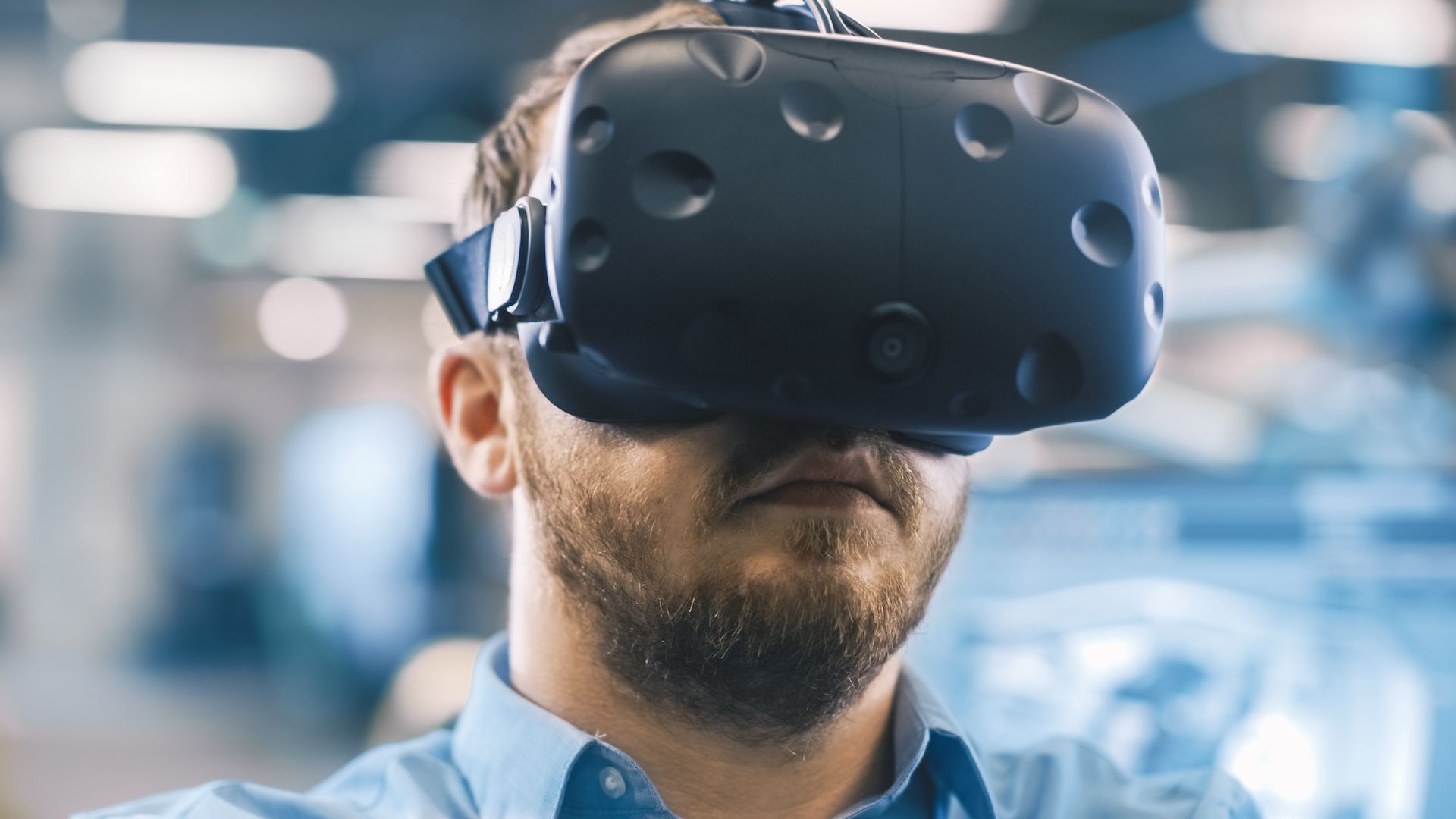
Now imagine you’re an avid video game player. You’ve probably already experienced virtual reality. Virtual reality headsets have revolutionized the world of video games. They give players the chance to immerse themselves completely in their favorite worlds. VR technologies are now integrated into many games, offering users an immersive and interactive gaming experience.
More than just a form of entertainment, virtual reality allows video game developers to explore new avenues in terms of storylines, gameplay, and artistic design. From now on, you’re no longer just controlling a character—you become the character.
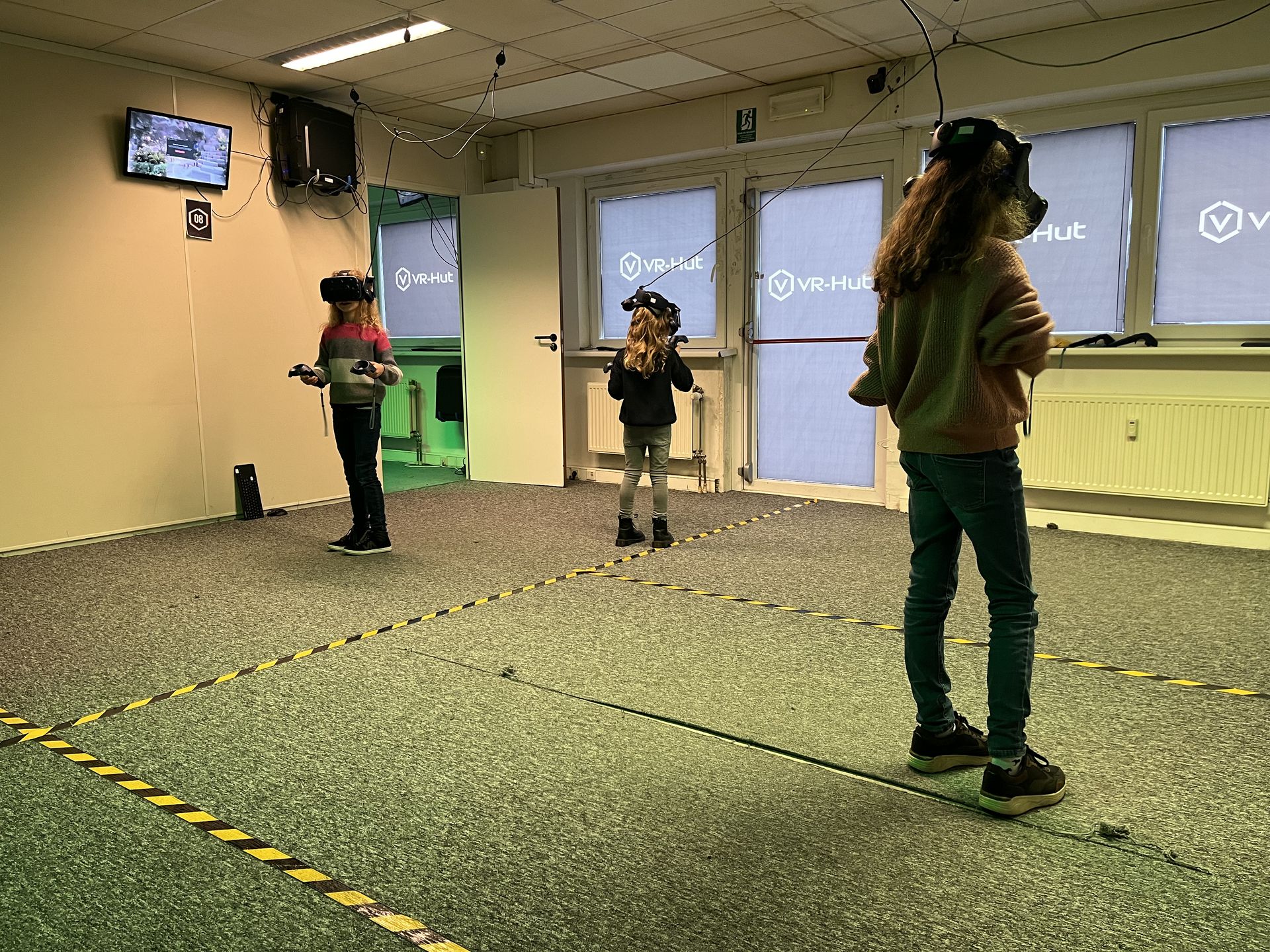
Want to experience this immersive adventure for yourself? Check out our selection of virtual reality games in Waterloo, ranging from multiplayer arcade games to escape rooms.
Virtual reality: a game-changer for the workplace
The workplace is also making increasing use of virtual reality. The applications are numerous: training, recruitment, remote work, virtual tours of production sites… The technology helps reduce costs, boost efficiency, and make work more appealing.
Take virtual tours, for example. Thanks to virtual reality, real estate professionals can give their clients tours of properties without the clients having to travel. Similarly, in industry, production managers can visualize how a factory will operate even before it is built, or monitor processes remotely. Work is no longer limited to a physical space; it can be done from anywhere, at any time.
Virtual Reality for Wellness and Health
Another promising application of virtual reality is in the field of health and wellness. Indeed, this technology can be used to aid in pain management, rehabilitation, and psychological support.
When it comes to pain management, virtual reality offers a highly effective non-pharmacological alternative. Studies have shown that immersion in a virtual environment can help reduce the perception of pain in patients suffering from chronic or acute pain. The immersive experience provided by virtual reality helps divert the patient’s attention away from their pain.
In physical therapy, the use of virtual reality can make exercises more engaging and motivating for patients. Thanks to this technology, physical therapists can provide tailored exercises and track their patients' progress in real time.
In the field of psychology, virtual reality is used to treat various conditions, such as post-traumatic stress disorder and phobias. It creates anxiety-inducing situations in a controlled environment to help patients overcome their fears.
Virtual reality: a tool for artistic creation
The virtual world offers an infinite creative space where anything is possible. Artists can use headsets to create three-dimensional works, explore new forms of expression, and share their creations with the public in an immersive way.
In this way, the artist can invite the viewer to literally step inside the artwork and experience it from within. From painting to sculpture, and including dance and theater, all forms of art can be enhanced by this technology.
In summary
Virtual reality has established itself as an indispensable technology in many fields. Whether in education, work, entertainment, art, or healthcare, it offers unprecedented opportunities. Thanks to its potential for immersion and interaction, it is transforming the way we learn, work, play, and live. Virtual reality is an exciting adventure, and we’re only just getting started. Get ready to discover new ways to live, learn, and create in the virtual worlds of tomorrow. Want to try it out for yourself? Book your session at VR-Hut in Waterloo.